Reaching the Cumbre
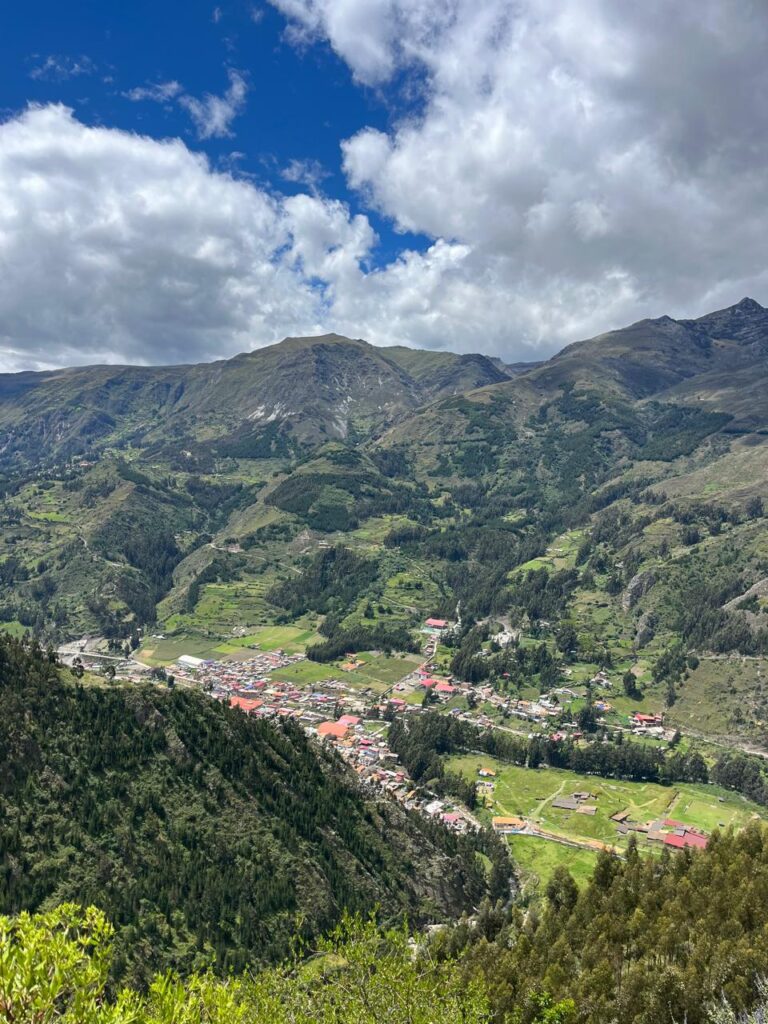
This past Sunday, I found myself at 18,656 feet above sea level at sunrise. I sat at the peak (cumbre, in Spanish) of Vallunaraju, one of the snow-capped mountains I see from my bedroom window. I looked down at my home, Huaraz, as though I was seeing it from an airplane.
A Year of Uphill
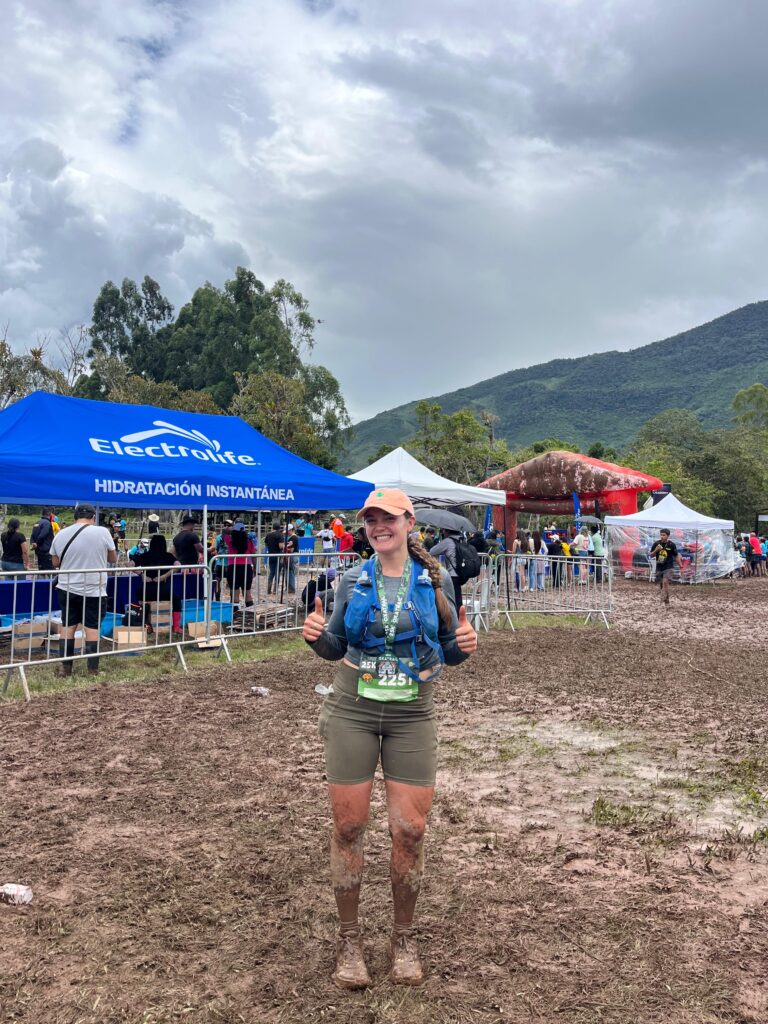
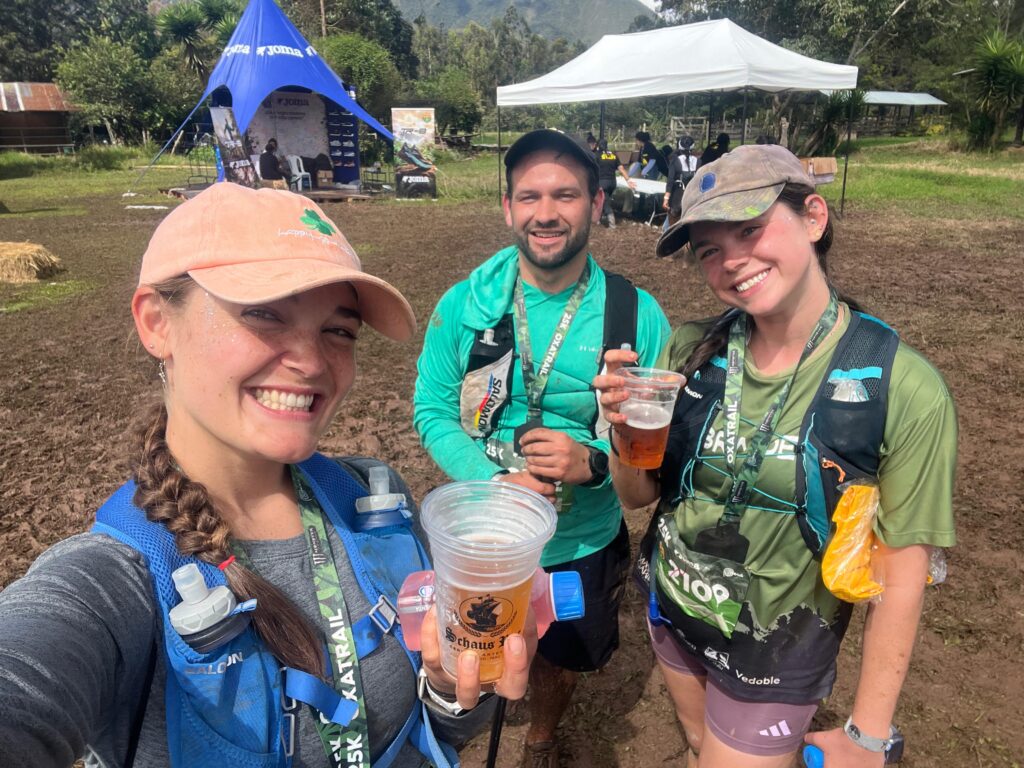
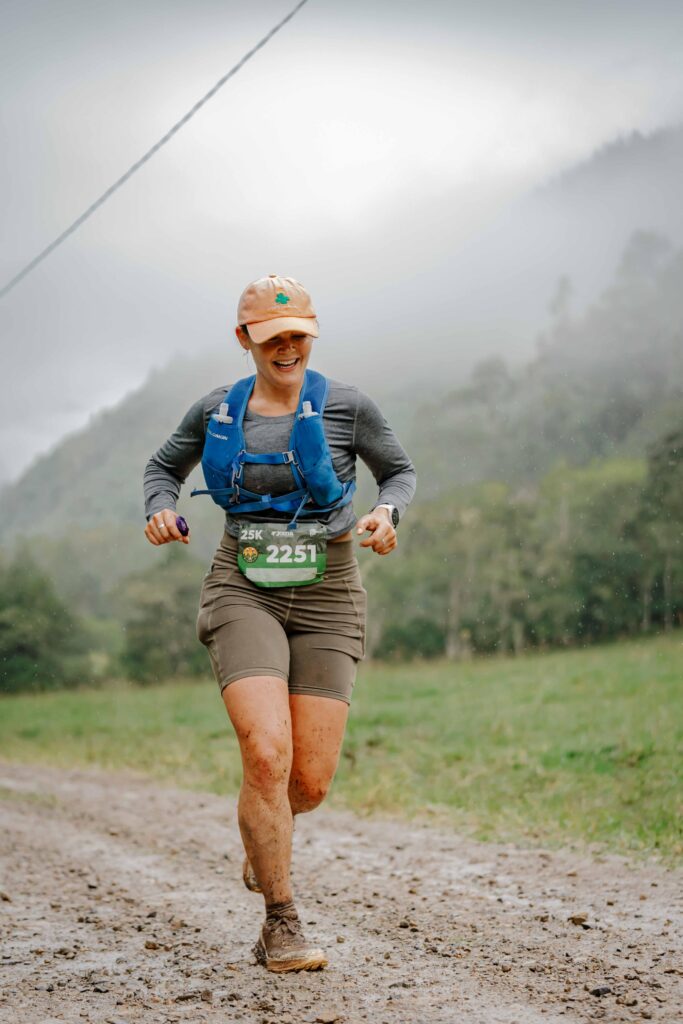
It’s quite amazing what the body can do. During my past 7 months in Huaraz, I have put mine to the test over and over again. It started with a 25k trail race in the Peruvian high jungle, Oxapampa (6,000 feet altitude). In exactly 5 hours, I traversed the course, climbing rocky mountainsides and falling down muddy slopes. Grabbing thoughtfully placed ropes and conveniently located tree branches to haul myself to the top of a hill, or jump over the beginnings of a waterfall. I ended that race covered in mud, my shoes unrecognizable.
At the beginning of May, I found myself in another race – a 13k trail run around Chavin, a pre-Incan civilization located a few hours from Huaraz. The race was beautiful. After looping around the 3,000 years-old ruins, I huffed my way up a mountain until the town of Chavin was left far below me. The trail snaked the mountainside and looked over the valley below and mountain range on the other side. It wasn’t complete without passing an old woman and her sheep, a common occurrence during my runs over the past few years.
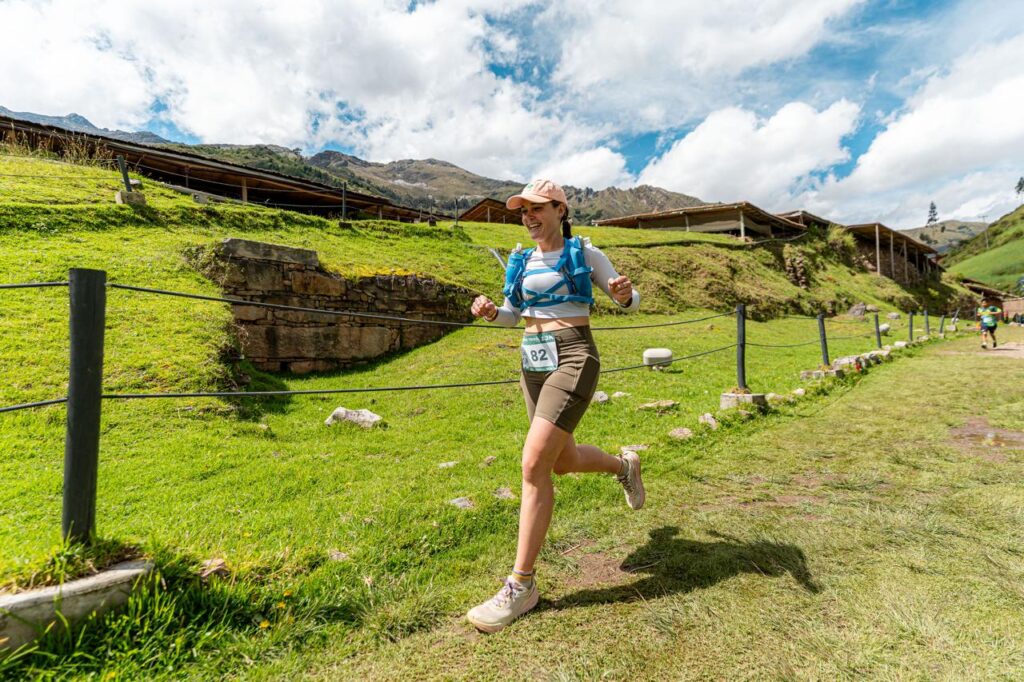
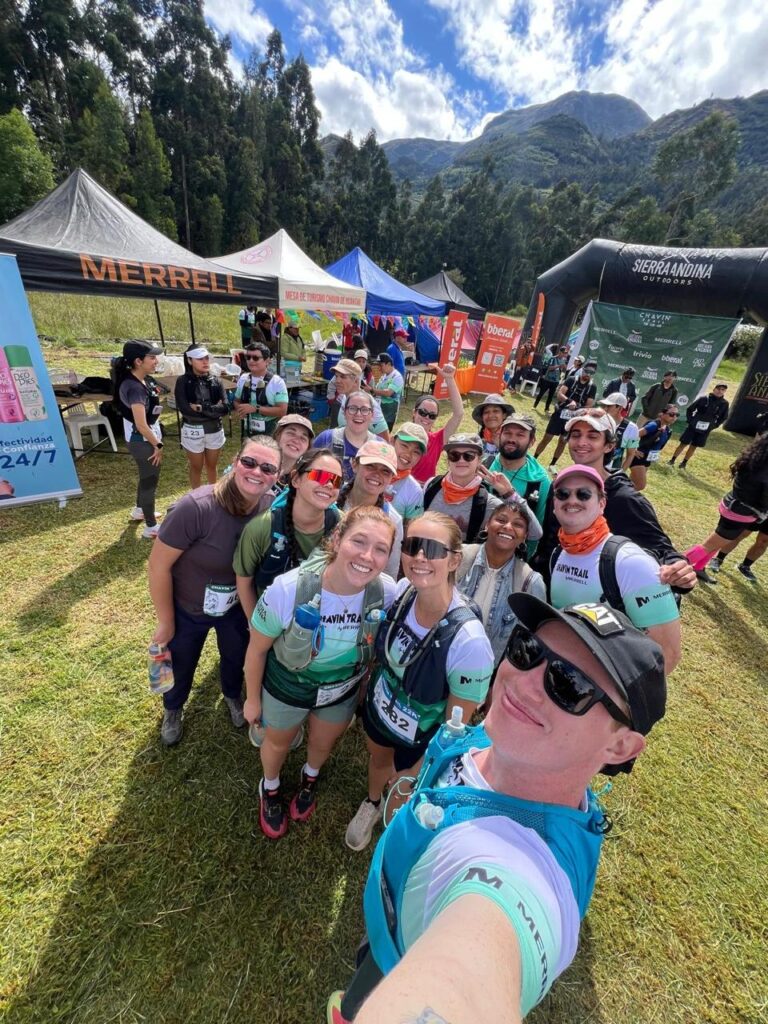
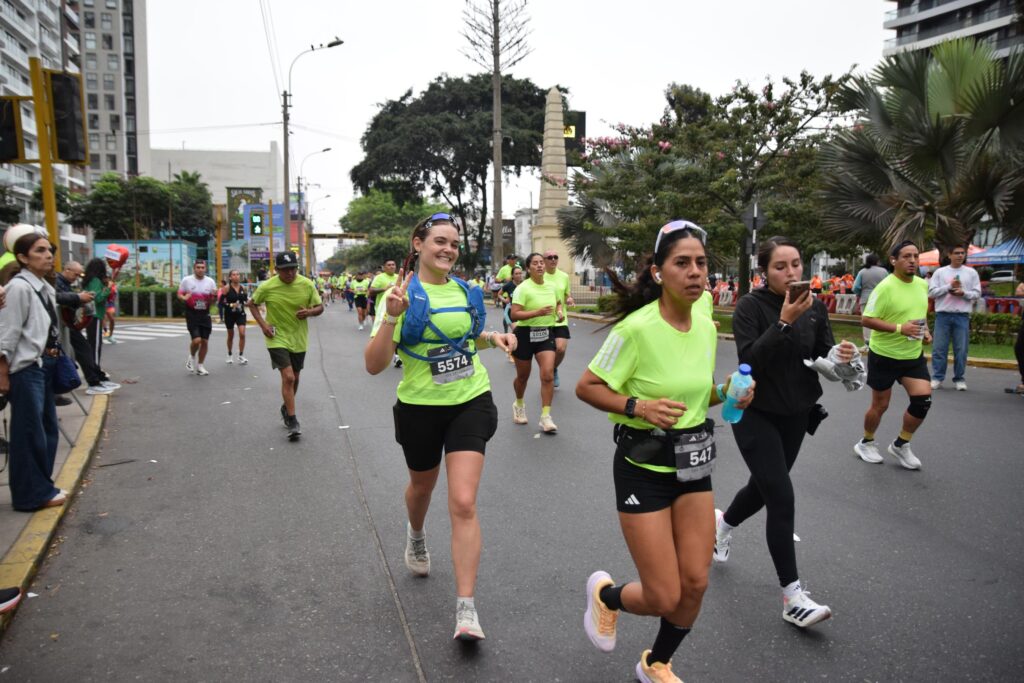
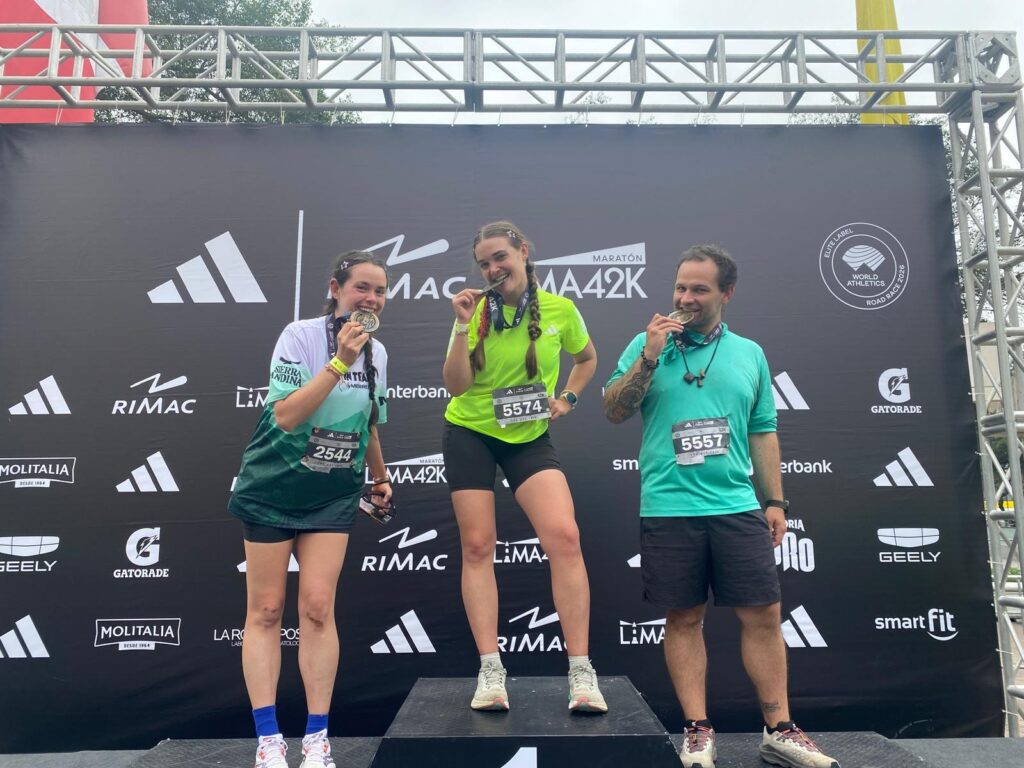
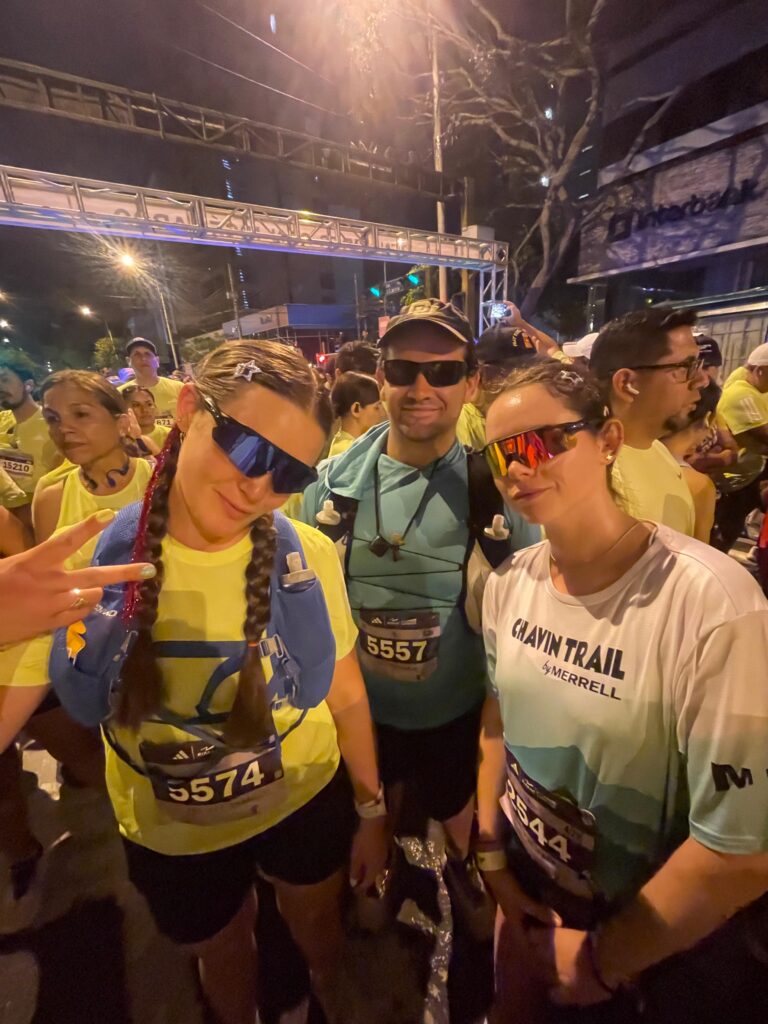
The next challenge came on May 24, what I thought was the ultimate event of the year. My first marathon, 26.2 miles. It took place in Lima, arguably one of the best first marathons one could do – sea level, flat. I trained hard for the 5 months leading up to the race. And that, at 10k+ feet nonetheless, paid off. My goal was to finish in less than 4 hours 30 minutes, and I crossed the finish line at 4 hours 17 minutes. Although, not without pain. Around mile 15, my legs became lead. I would butt kick every 5 steps to keep the blood flowing and the muscles from locking up. In the last 3 miles, though, the adrenaline of the realization that I would complete what I’d set my mind to, kicked in. I took my headphones out and weaved through the other runners, waving at passersby like I was Princess Diana.
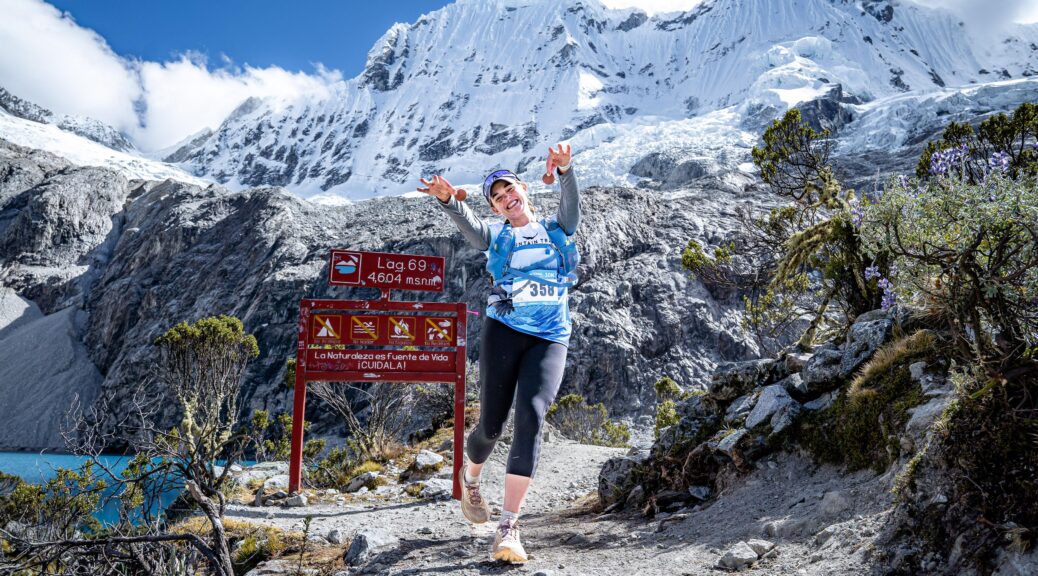
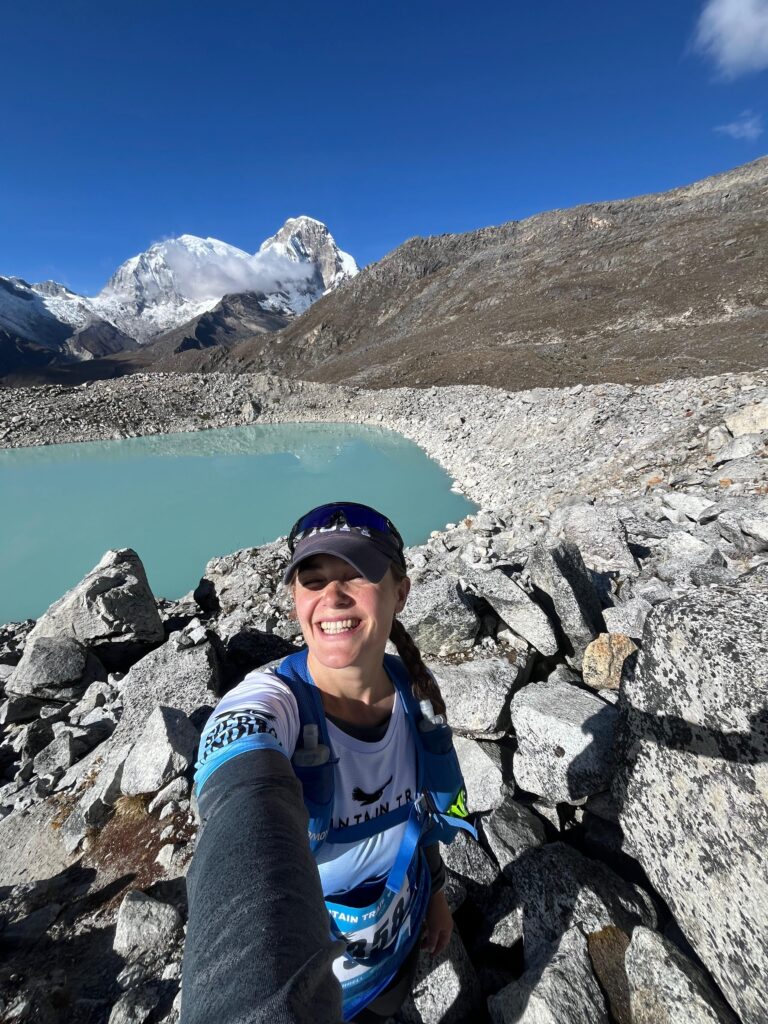
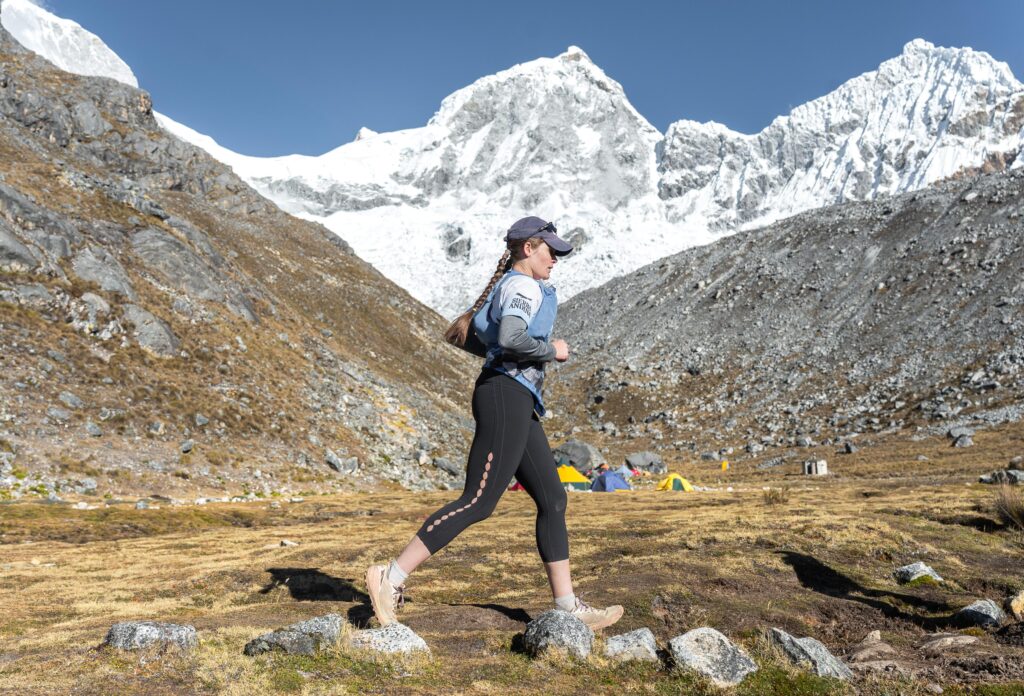
Despite thinking my running journey would slow down after the marathon, I had one last whammy in me. The 30k Mountain Trail race in mid-July. The race started at 12,000 feet, and we reached 15k in the first half; a 3-hour uphill climb with Huascarán Mountain looming overhead. The first half passed through Refugio Pisco, a common stone structure used by mountaineers on their way to ascend snow-capped mountains (in this case, Mount Pisco). After passing the refugio, where fellow Peace Corps Volunteers were manning the aid station, another 45 minutes passed by before running down into Laguna 69 – one of the most beautiful mountain lakes of the Ancash region. I have been to Laguna 69 a number of times, though only from below. Coming into the laguna from above was a new experience, like I was seeing it for the first time. Again, I was met by a crew of Peace Corps Volunteers running the aid station, giving me energy for the second half.
Or, so I thought.
Despite the fact that the second half was entirely downhill and flat, my legs were shot, fault of the 3k feet elevation gain I encountered in the first 3 hours of the race. After coming down from the laguna, my legs felt as though they’d been squeezed by the Yeti himself (don’t mind the geographically incorrect mystical reference). In the subsequent three and a half hours, I walk/ran my way through fields, forests, and road to reach the finish line. After 6 hours and 21 minutes, I found my way to the free beer stand.
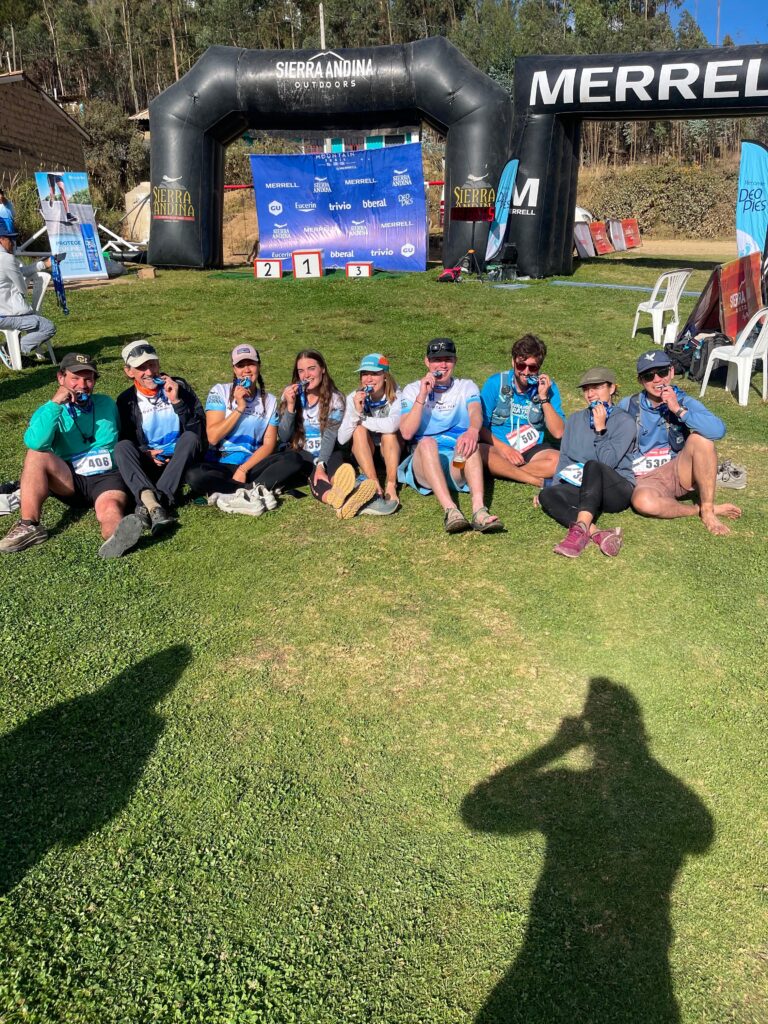
I will admit, I am done running long distances …. for now. I realized that part of my animosity towards long distance at this point comes from the uncontrollable factors here in Peru that make the sport even more unenjoyable than your normal long run. Dogs, cars, uneven sidewalks, holes in the ground, catcalling. I have 3 dog bites in 3 years and triple the rabies shots to emphasize the point.
Though, despite hanging up my running vest, I apparently had one more adventure in me.
While picking up my race kit prior to Mountain Trail, I ran into a fellow friend and mountain guide. And that is how I found myself at the peak of Vallunaraju.
Crampons, Crevices, and the Cumbre
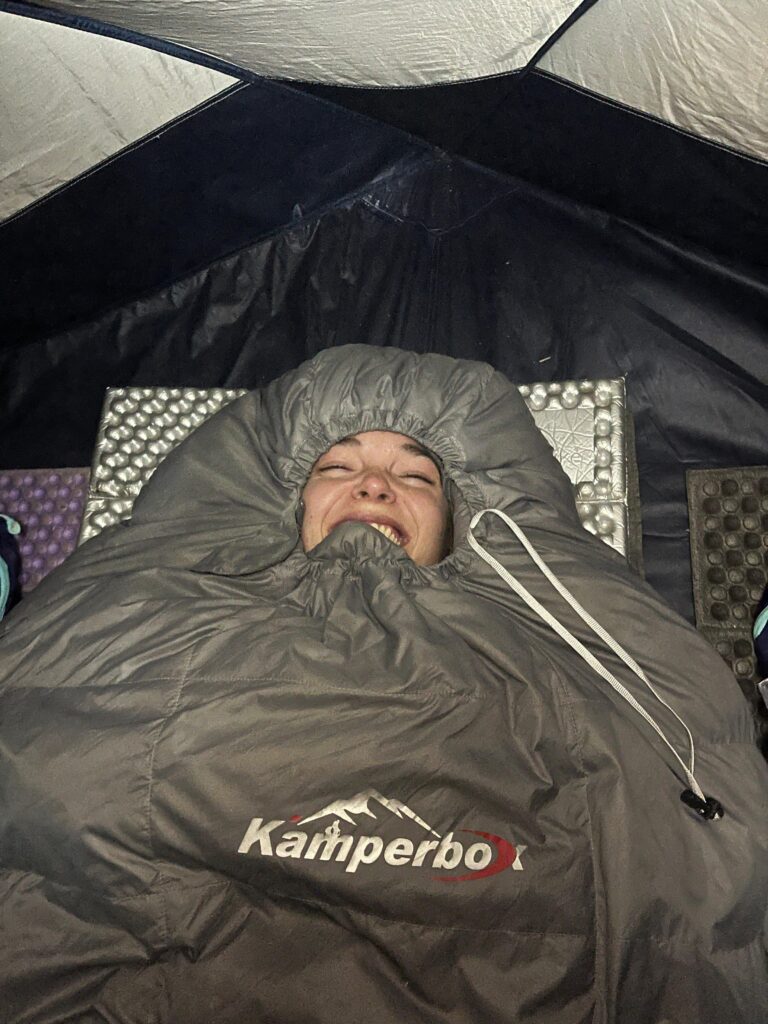
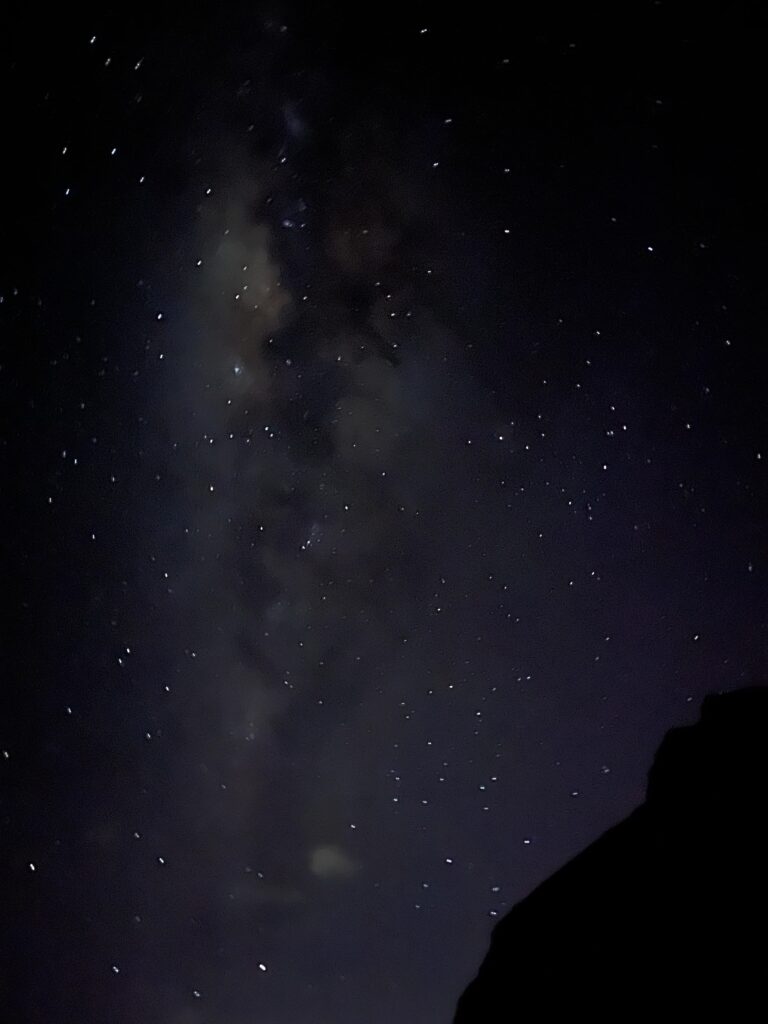
This past Saturday, we drove 1.5 hours outside of the city with our big packs full of mountain gear, camping equipment, water, and food. We hiked 3 hours to base camp, Campo Morrena, 16,400 feet altitude. After checking our equipment – hard boots, crampons, harnesses, ice picks, and helmets, we ate a dinner of rice and chicken and were in our tents by 6:30pm. Alarm set for 12:40am. The night wasn’t complete without a “middle of the night” (it was only 9:30pm) bathroom break, doubled as my excuse to get a look at the stars. I am a chronic middle of the night bathroom user, and I’m always thankful for it on camping trips. While it means climbing over others in the tent and braving the cold, it also means catching a glimpse of the stars when no one else is awake. Just me and the galaxy, the galaxy and me.
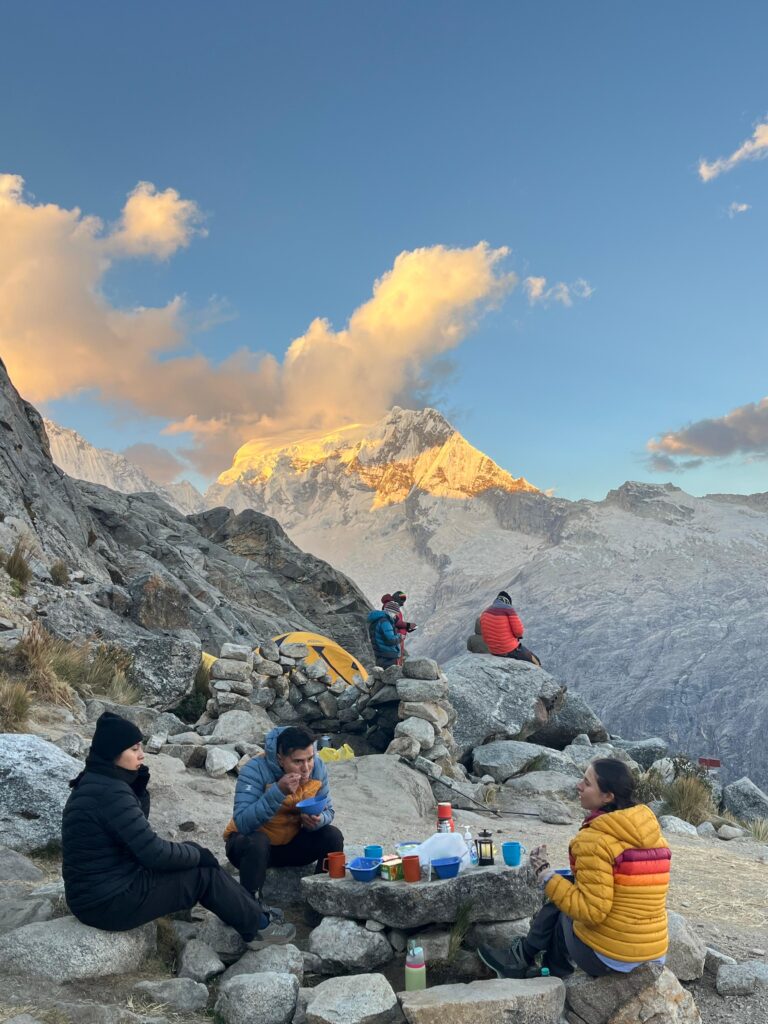
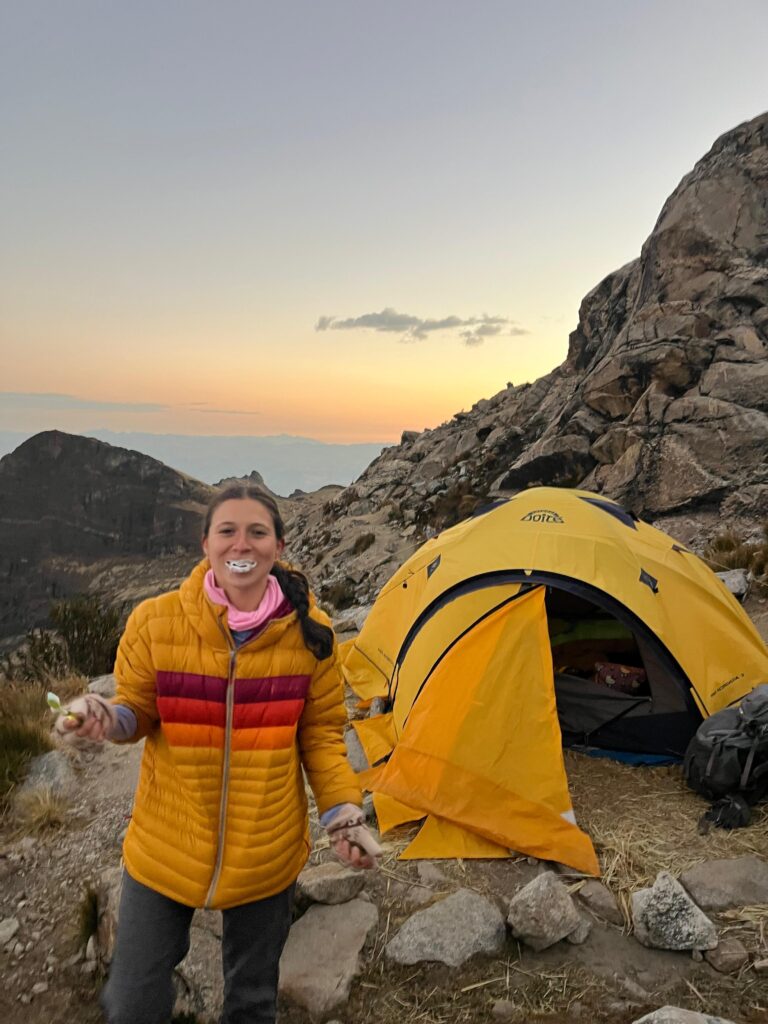
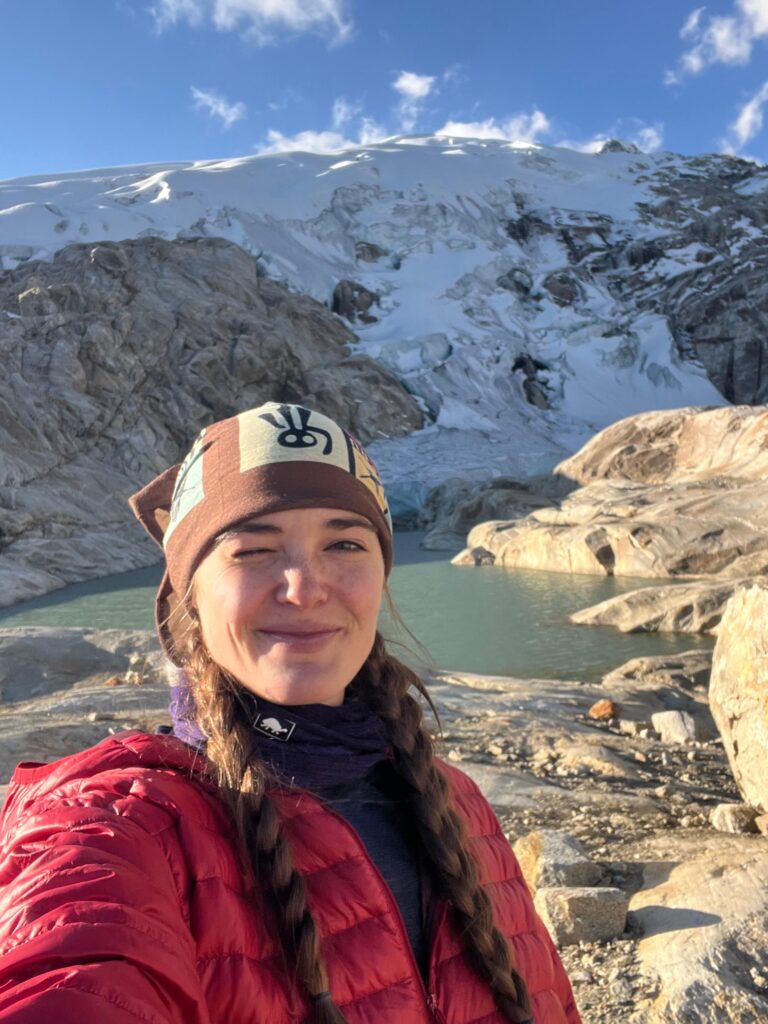
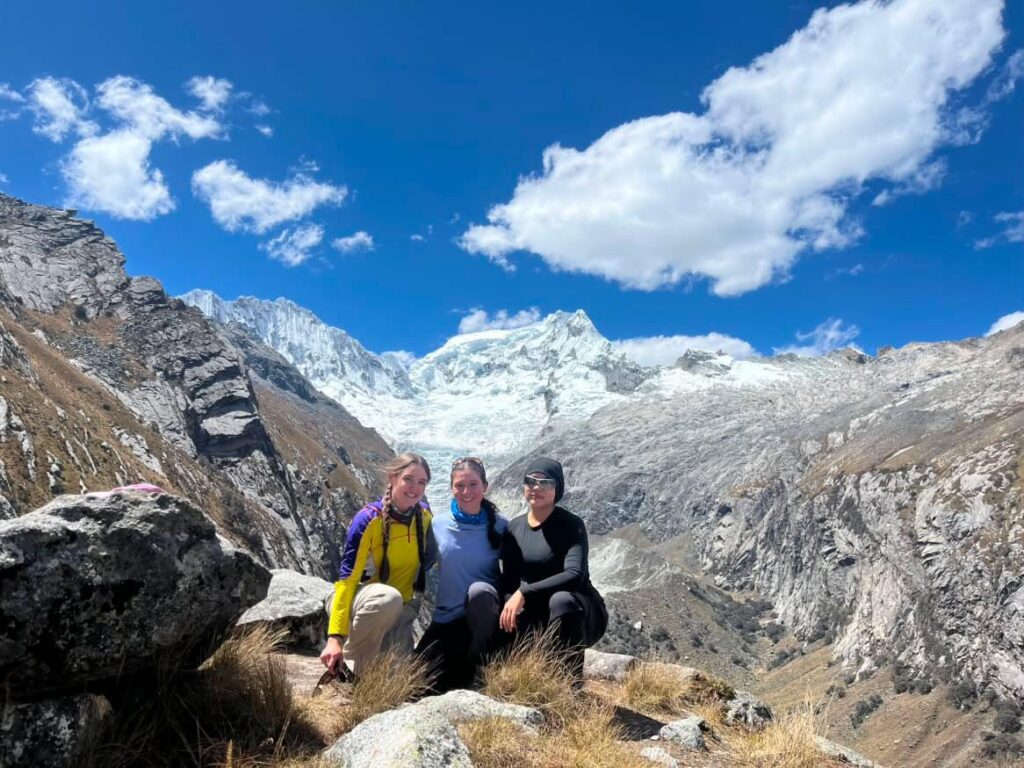
At 1:40am, we were out of our tents; toast, jam and tea consumed; ready to go. From head to toe: two bandanas, helmet, headlamp. Thin long sleeve, thermal shirt, sun shirt, puffer. Gloves (and pick axe). Thermal and waterproof pants. Thick wool socks and hiking boots. In my pack, I had my crampons, ski gloves, windbreaker, water in a thermos (so as not to freeze), and an asortment of snacks: Cheez-its and a Clif bar (American delicacies aquired from friends who recently visited the US) and gummy bears. If you know altitude, you know it slows digestion and minimizes appetite. Though, knowing I needed some calories, I forced myself to nibble the Clif bar on the way up. I paid for it during a 18,000 ft bathroom break on the side of a glacier.
By 2:15am, we reached the start of the glacier and strapped on our crampons. There were three of us: my Peace Corps friend and an 18-year-old Peruvian girl (bad-ass). Our guide tied us into a line, 5 meters of rope between each body. I was the caboose. For the next 4 hours, we small-stepped our way up the glacier in the pitch dark. All I could see were the 3 headlights in front of me backdropped by the silhouette of the glacier. Looking behind me, I could see the tiny lights of the dozen other people making their way to the peak. Little ants glowing in the dark. And, way down, I could see the lights of the towns through the Callejón de Huaylas – the Huaylas Valley – of which has been my home for over two and a half years.
Physically, I was okay (despite the bathroom break). Every 10 steps, I had to wait for the rope to become taut again – a safety measure in case someone falls into a crevice, God forbid. We had to jump over said crevasses a couple of times, and while they were only foot-long jumps, shining my headlamp into the abyss below was nervewracking nonetheless.
Between 6 and 6:30am, we made our final push to the peak. It was mind over body, freezing wind hitting us from what felt like all sides. The 18-year old bad-ass spoke for us all when she asked the guide if it was okay to throw up, then proceeded to get on her hands and knees and retch out the little food she had in her. Since we were tied together, I simply turned my back to give her a bit of privacy. 10 minutes later, she was smiling out at the spectacular view.
And spectacular, it was.
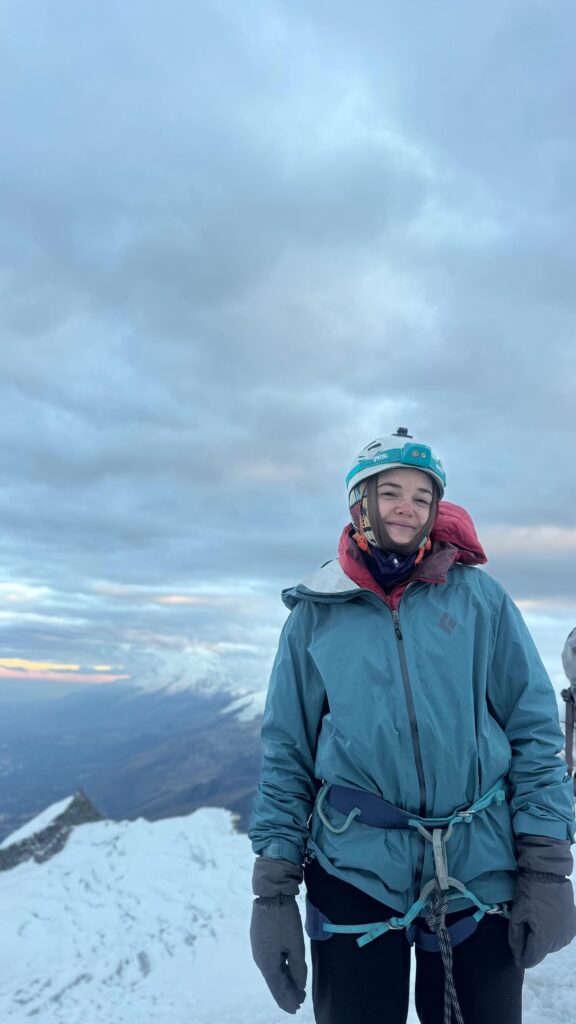
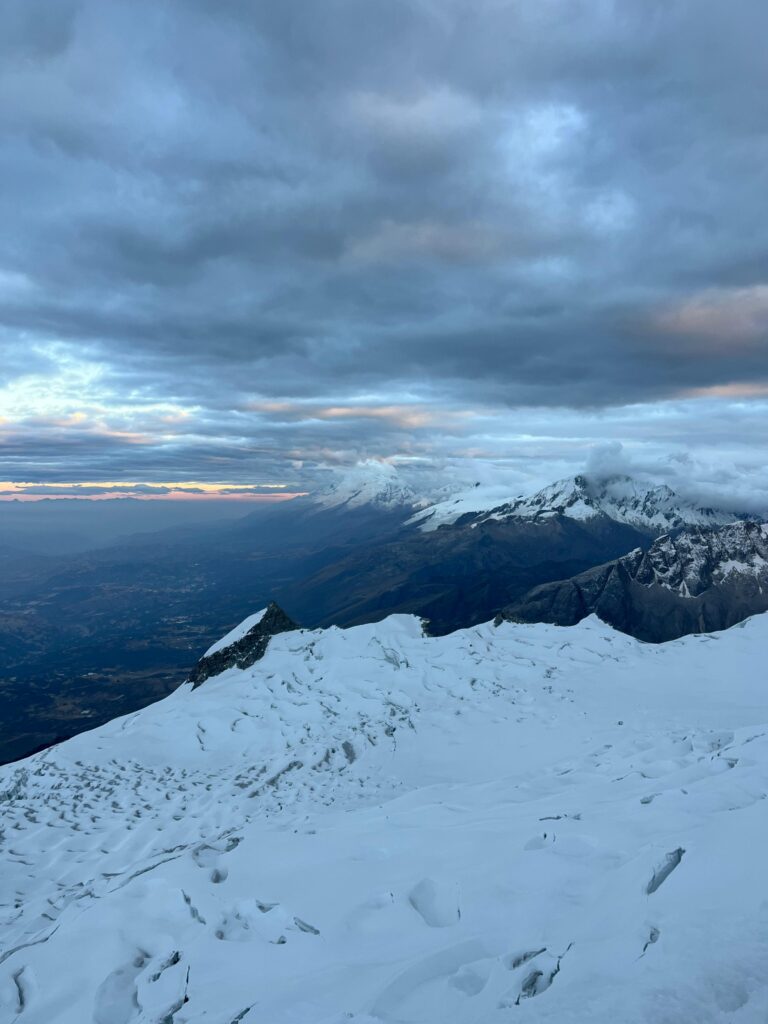
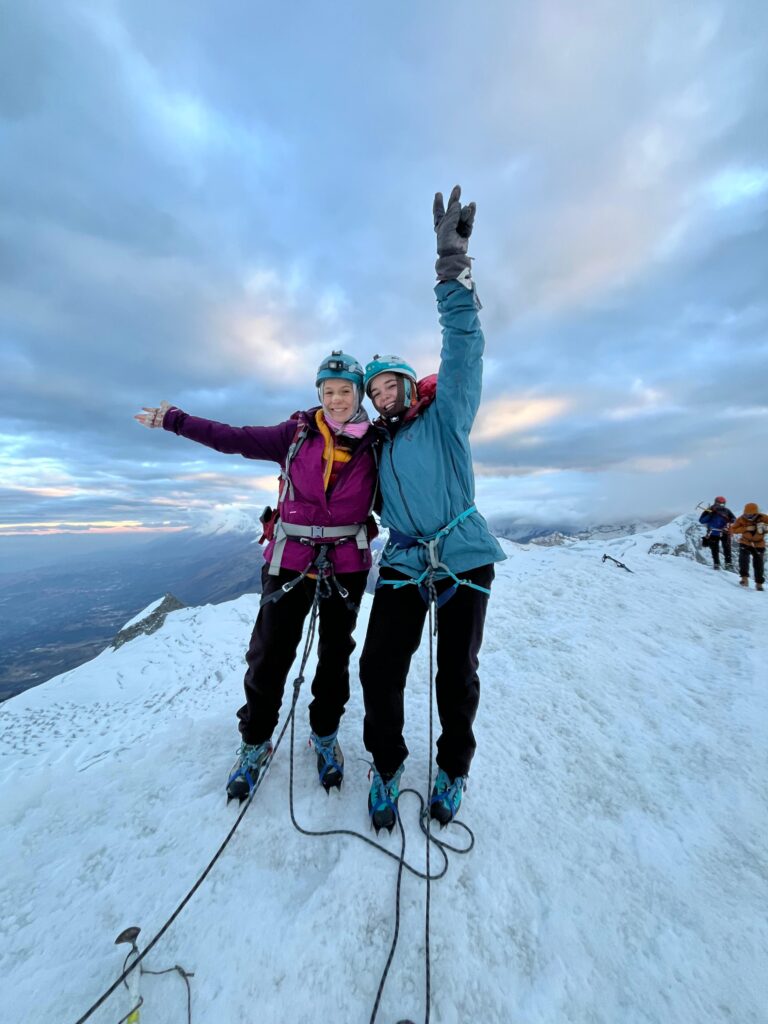
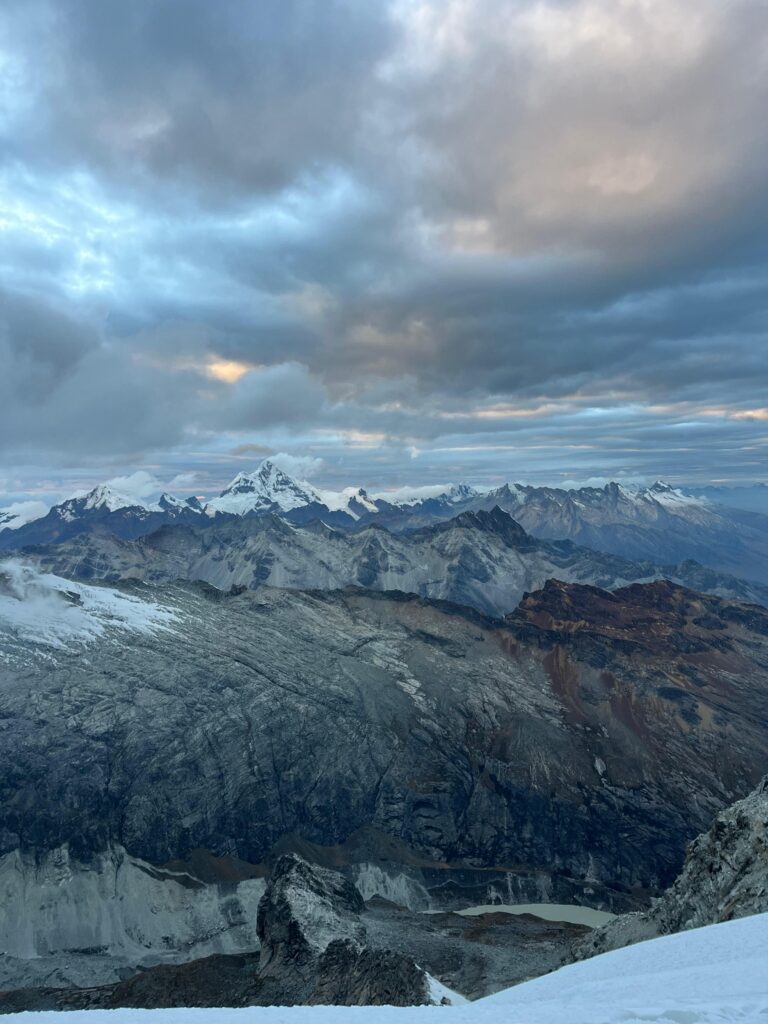
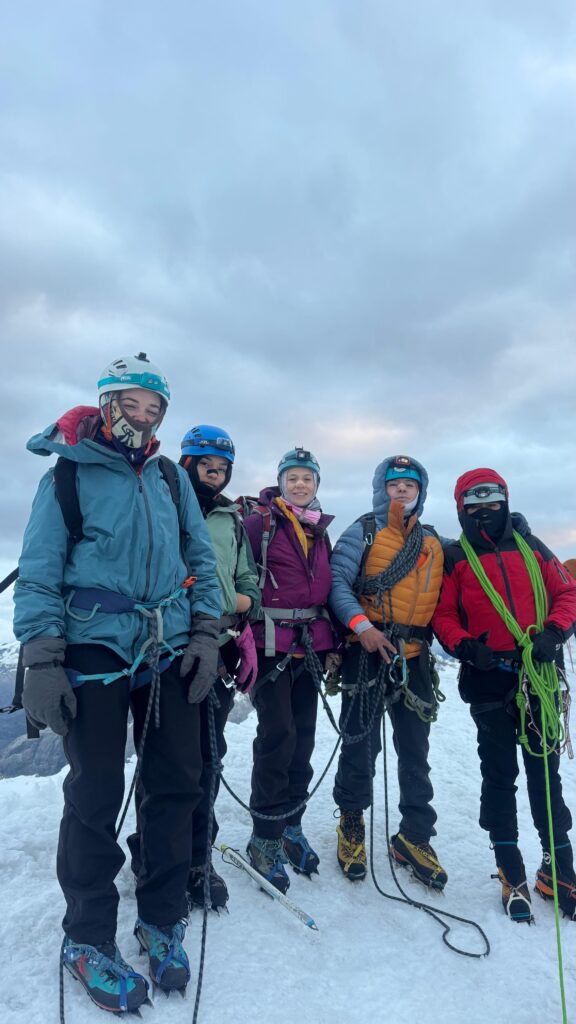
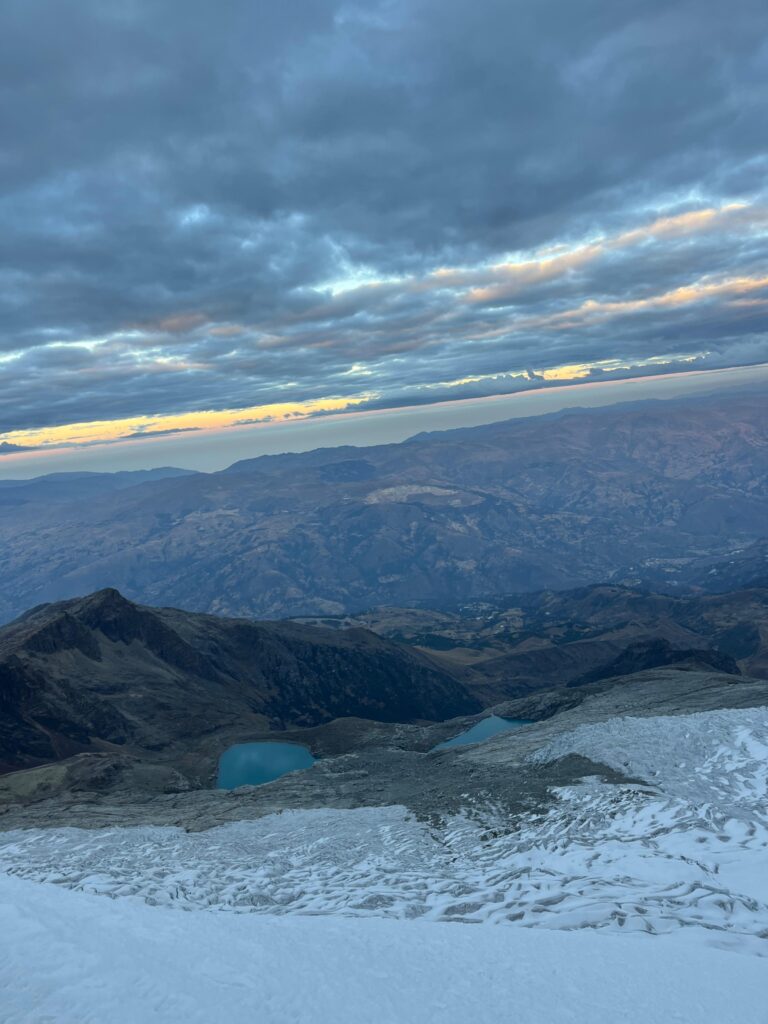
Looking down at Huaraz to the Southwest, I had the sensation that I’d only ever seen life like that from an airplane. To the West, I was level with the Cordillera Negra (the Black Mountain Range). To the North, Huascarán Mountain, the tallest mountain in Peru sitting at 22,200 feet. To the East, the other side of the Cordillera Blanca, a view I have always wondered about. It was jagged mountain upon jagged mountain. We even got a glimpse of the vibrant red-orange sunrise past the thick, dark clouds that rolled around us. I managed to snap a few photos, though my fingers could only bear one minute in the chill. They felt like stone, throbbing nubs. The fear of dropping my phone thousands of feet off the side of the peak was real, and I quickly returned my phone to my backpack and shoved my gloves back on. Didn’t even think about showing my teeth in the photos, as my face muscles ceased to work correctly. Sly smile, it was.
We were at the peak for a maximum of 10 minutes before making our way down. This time, I led. My toes and fingers thawed with each meter of descent. With no one in front of me, it was just the open glacier, the jagged, mountainous landscape, and the occasional crevice to keep me locked in. It was the same path we took on the way up, though it might as well have been a different country given the complete darkness we were consumed by on the ascent. I couldn’t help but turn back and look at the peak we had just sat atop, in awe at how quickly we were able to come down.
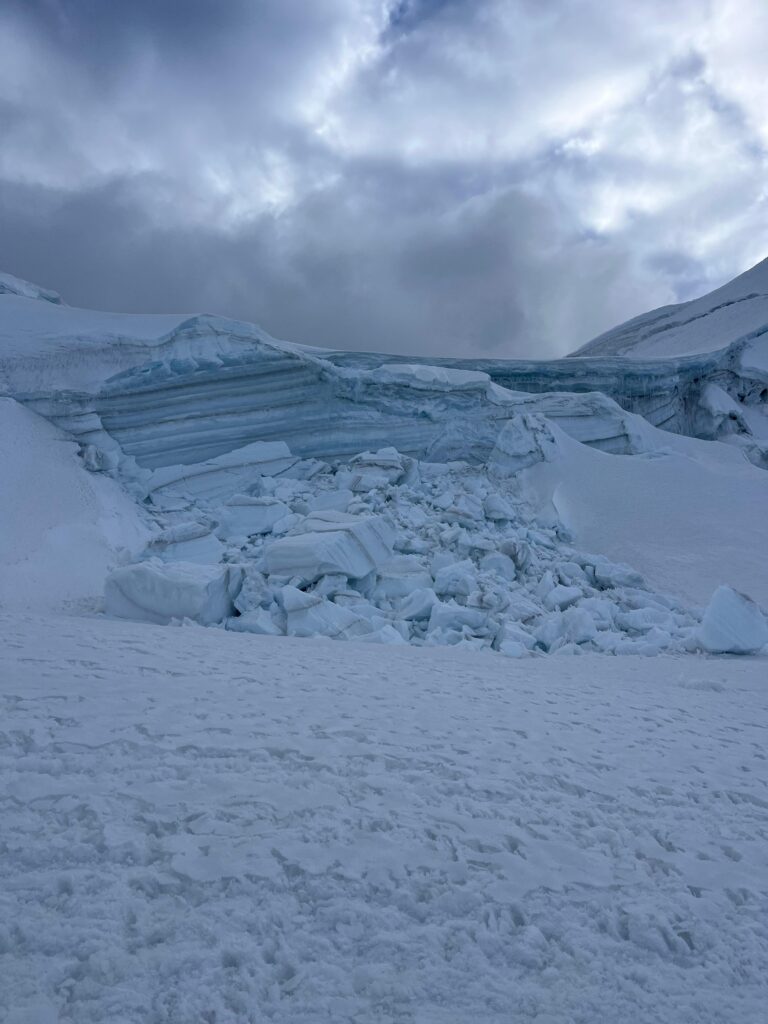
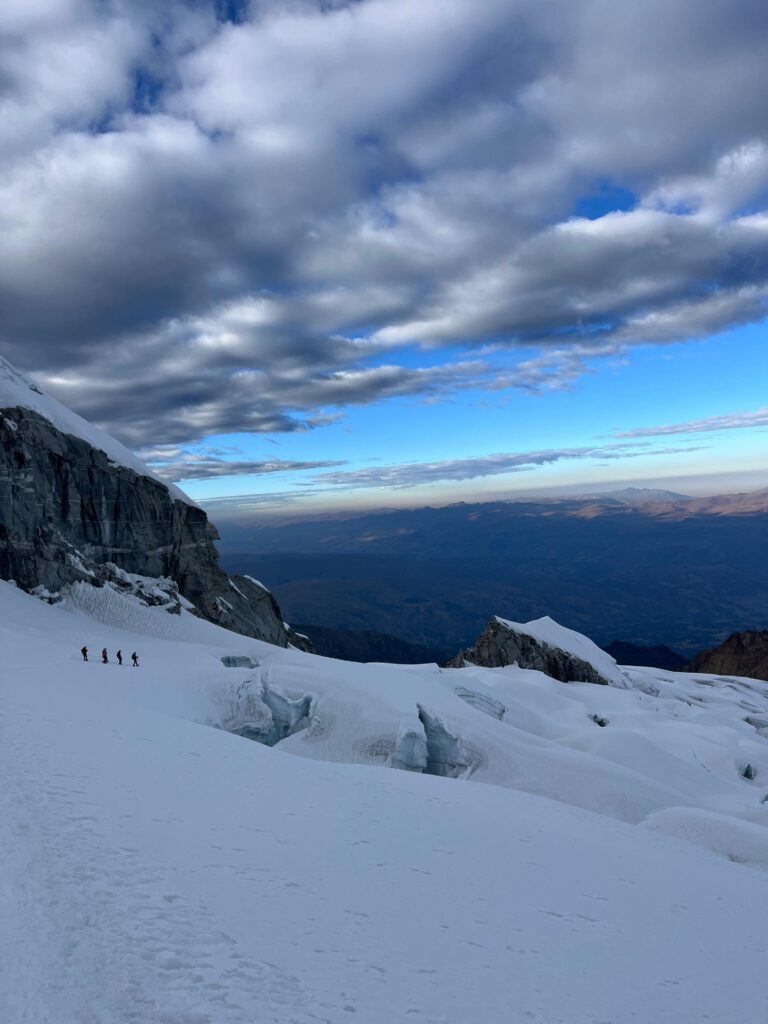
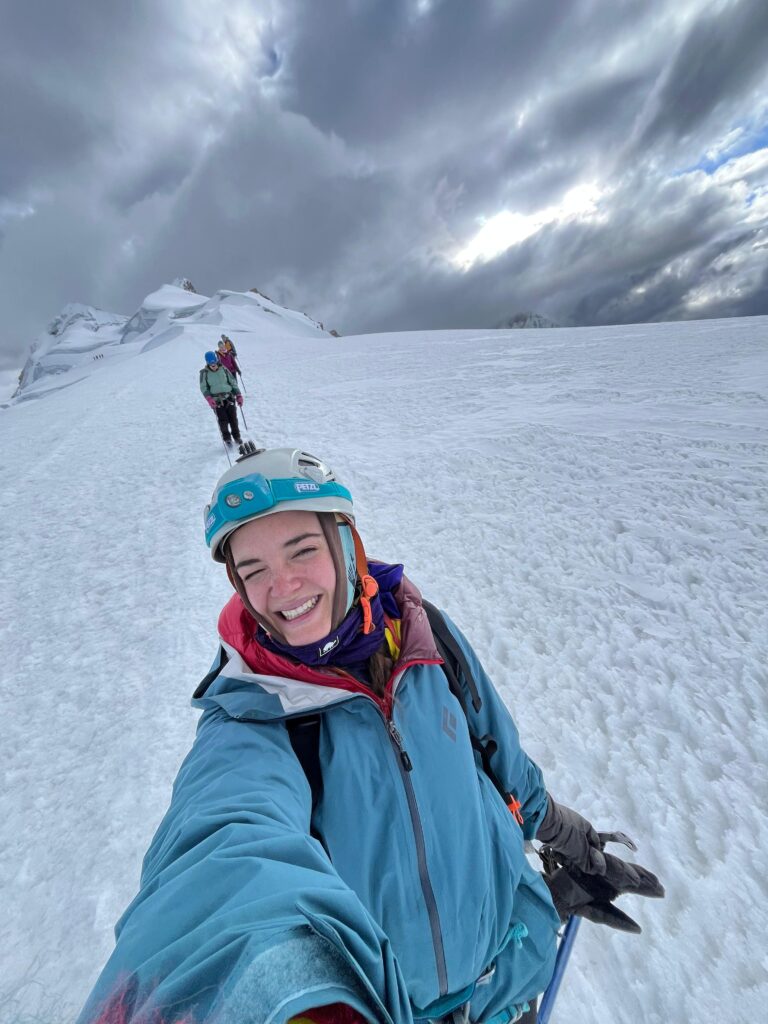
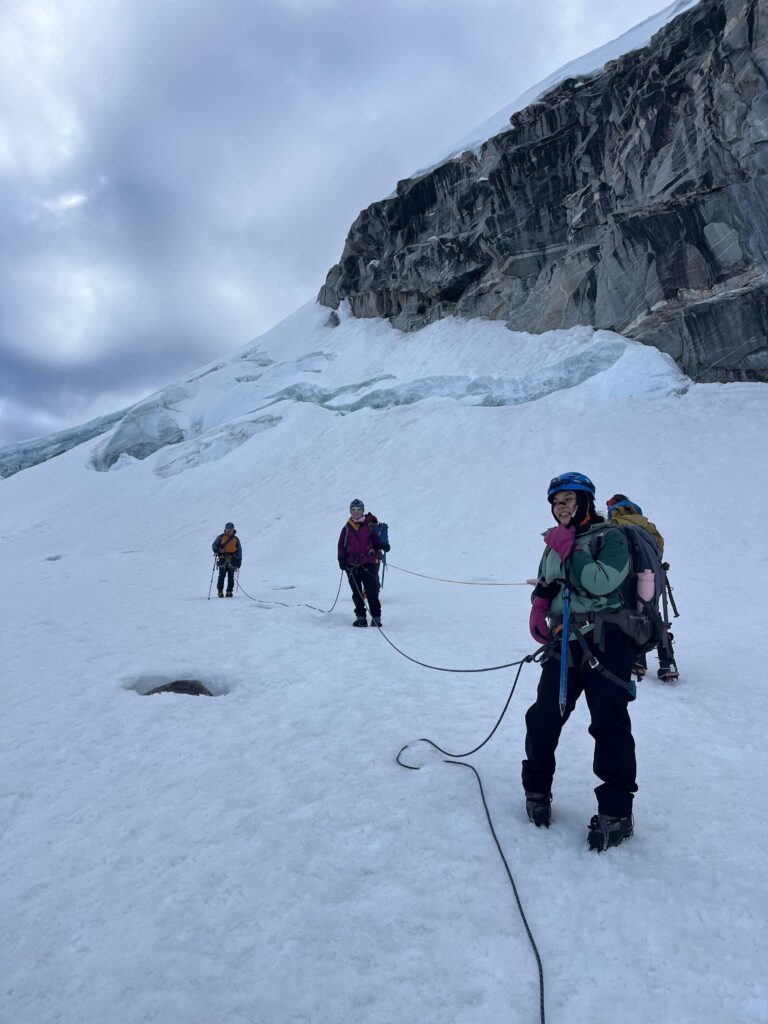
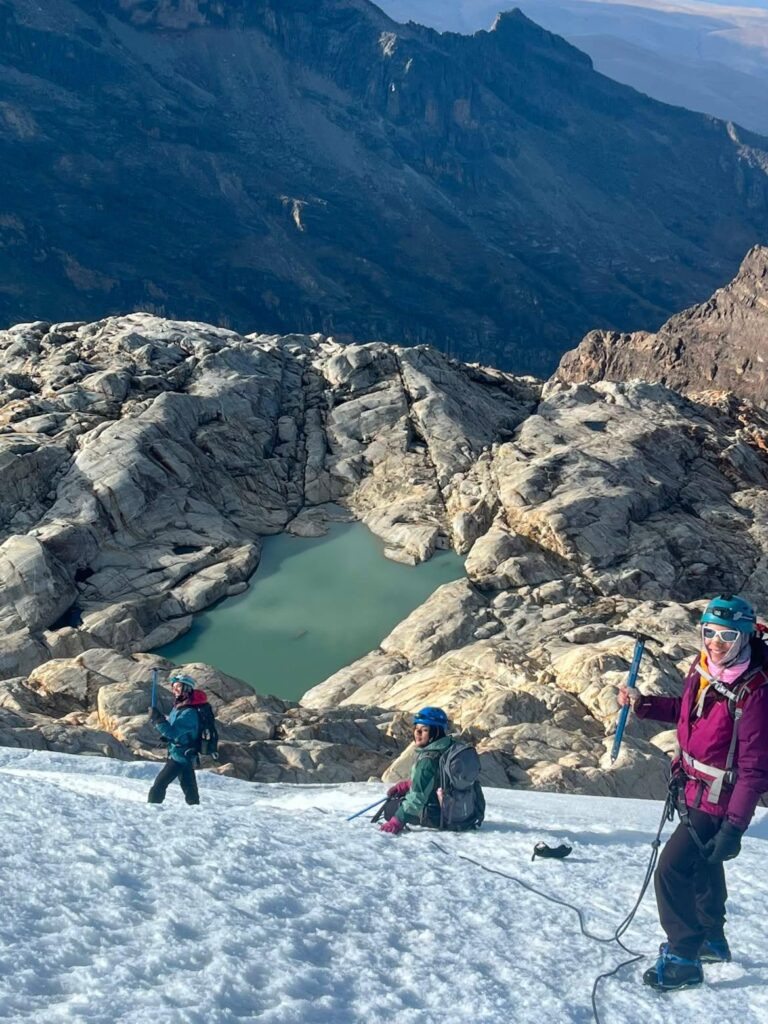
It wasn’t until we reached Campo Morreno, and I took off my boots, that I realized my right big toe must have been smashed up against the tip of the boot for the majority of the morning. A light blue-green started to seep into the nail bed, though my only choice was to slide on my change of socks and boots, pack up camp, throw my pack on, eat some Cheez-its, and start the final descent back to the main road. At a certain point, I went ahead of our group and soaked in the growing warmth of the day, contemplating how it could possibly be only 10am.
5 thoughts on “Reaching the Cumbre”
Oh my Heavens!!! You are 👏 the heights that you have achieved in so many ways astonish me but then, it’s Lucie, why am i surprised!! This would be a great book!! Love you 😍 SallyAnn
Oh my Heavens!!! 👏 The heights that you have achieved in so many ways astonish me but then, it’s Lucie, why am i surprised!! This would be a great book!! Love you 😍 SallyAnn
Thanks Sally Ann, love you lots!
Lucie, Your adventures and their descriptions never cease to inspire me. It is YOU who is the badass, and I say that with my utmost respect. Enjoy your last months in Peru. I look forward to hearing about your next chapter.
Thanks Bill. See you soon!